Regraded Gravel Driveway Puts an End to Potholes and Washboards
If you own a rural property, you know how fast a gravel driveway can go from smooth to rough. Potholes form, washboards develop, and what used to be a nice ride to your house turns into something you dread every single day. That's exactly the kind of problem we got called in to fix here.
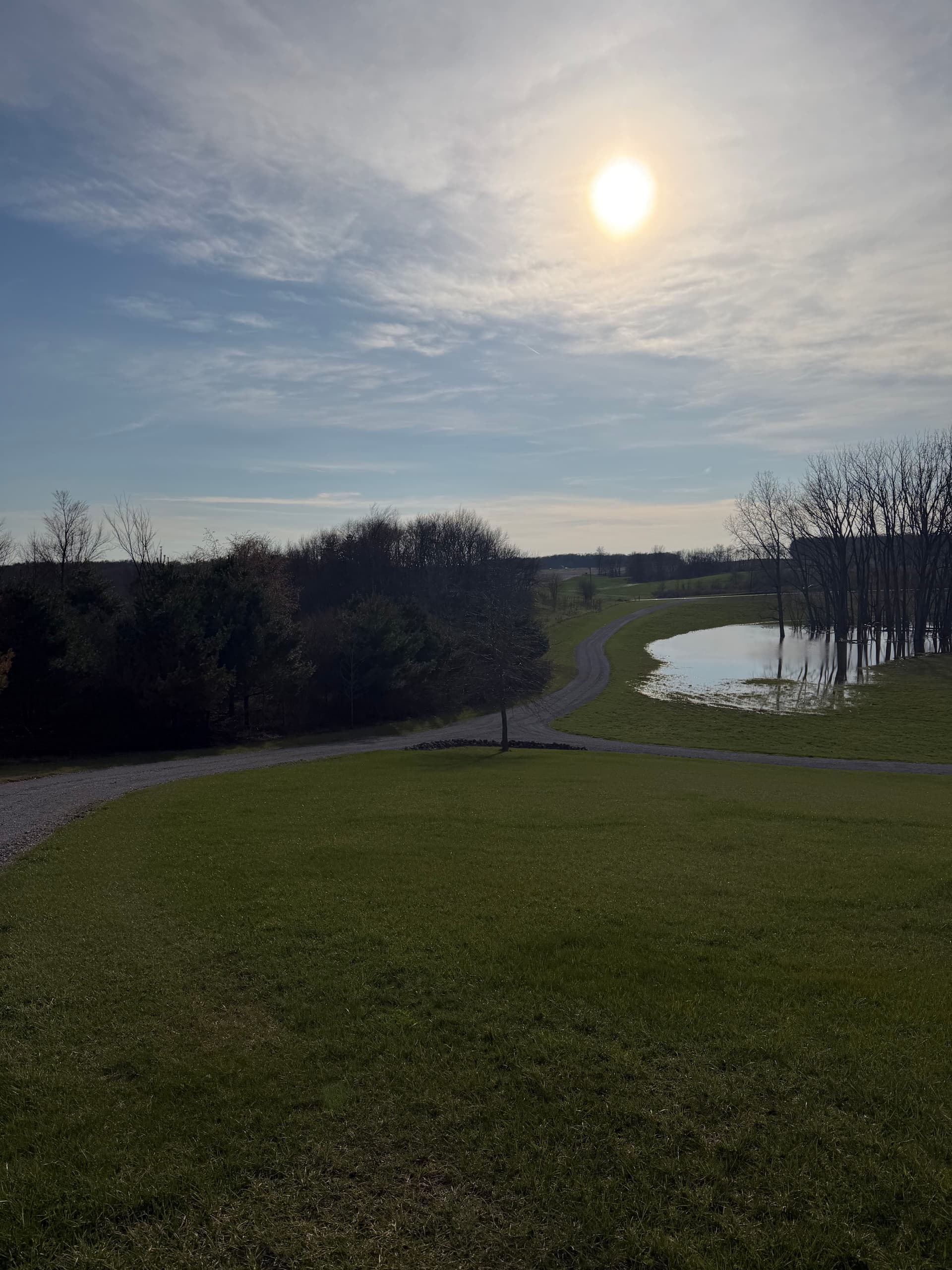
The driveway on this property winds across a beautiful piece of land - past a pond, through open fields, and up to the home. It's a long run with some curves, and over time the gravel had shifted and the grade had broken down in spots. That kind of deterioration doesn't just make for an uncomfortable drive. It causes water to pool, gravel to wash off the edges, and the whole surface to keep getting worse.
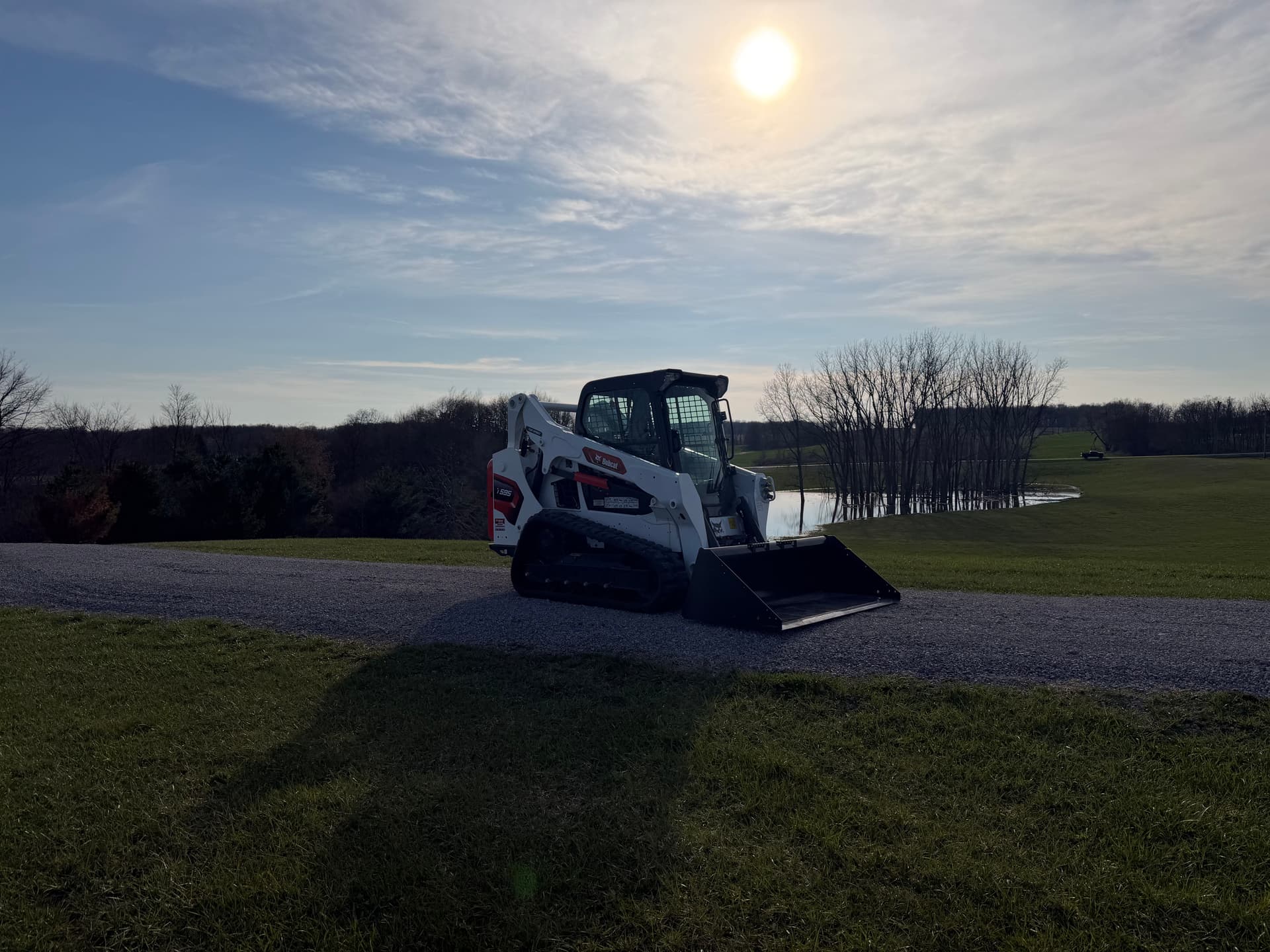
We used our Bobcat track loader to regrade the entire length of the driveway. The machine redistributes existing gravel, pulls material back from the edges, and levels out the high and low spots that create those rough patches. It's a process that requires a good eye and some patience - you're working the material back into shape, not just pushing it around.
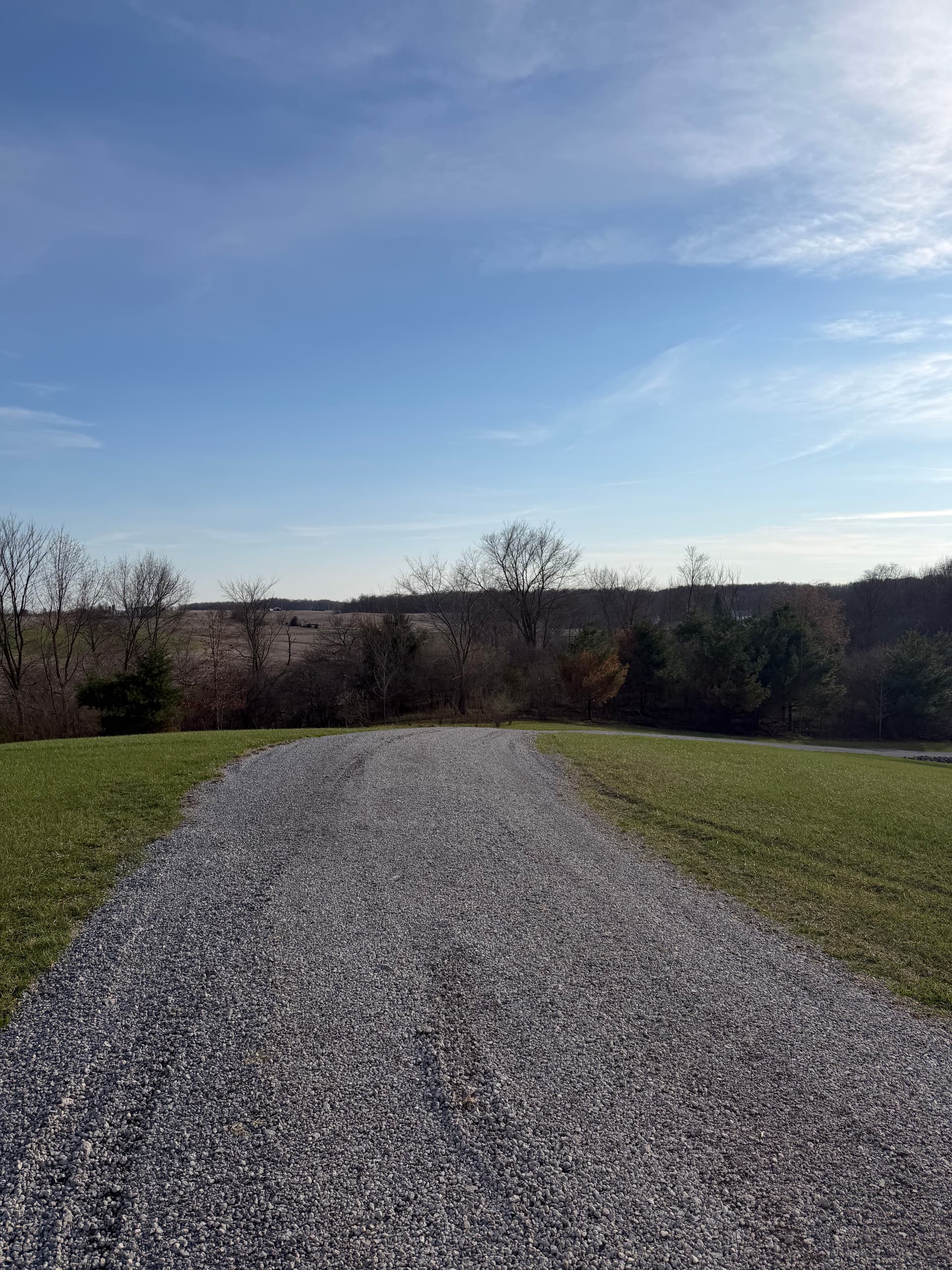
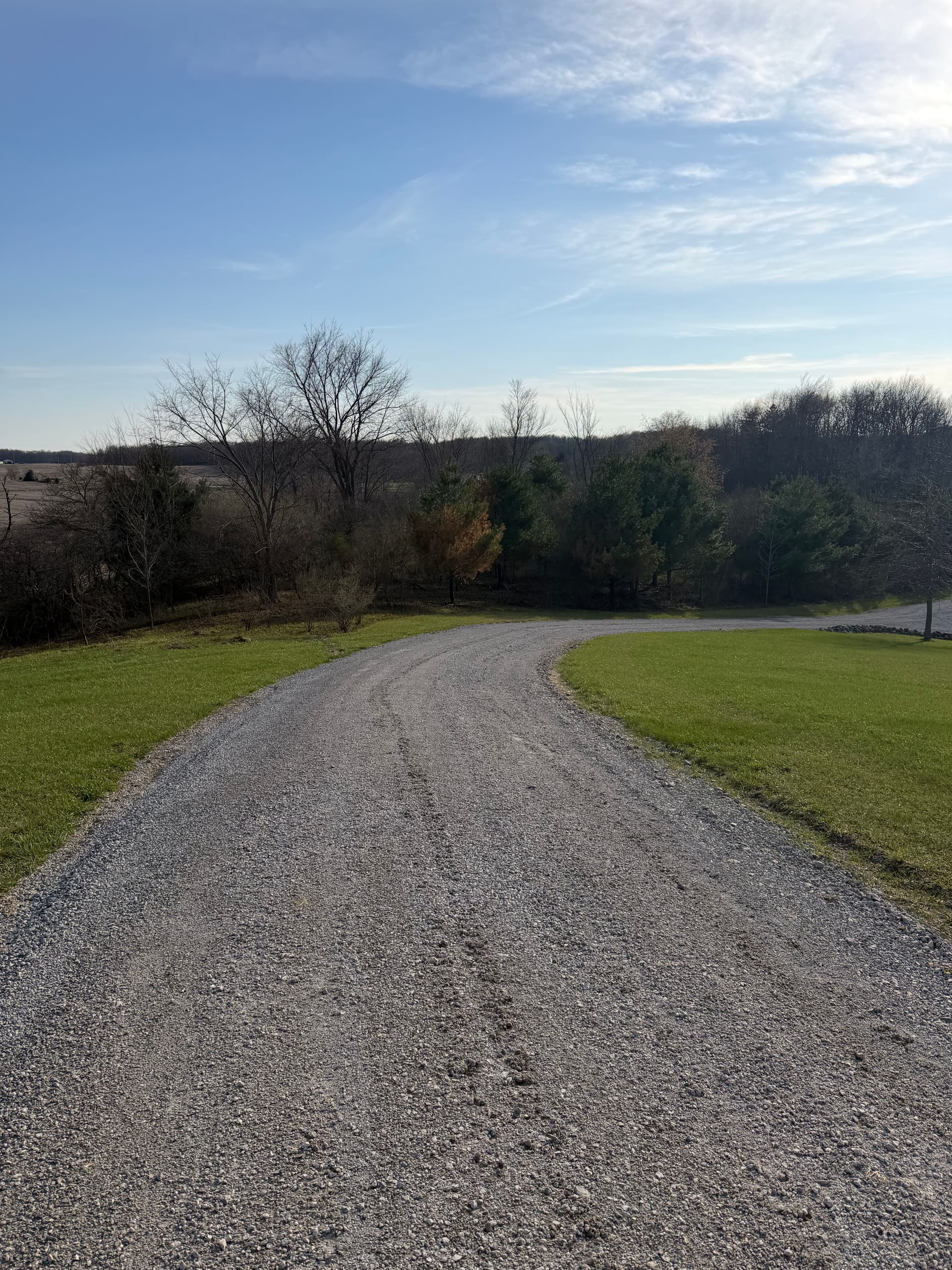
What we ended up with is a clean, smooth gravel surface from edge to edge. Good crown in the grade means water sheds off to the sides instead of sitting in the middle. The curves flow properly. The whole thing just looks and rides the way it should. This kind of regrading work can go a long way before a property owner ever needs to haul in fresh gravel - it's often money well spent.
Gravel driveways on rural properties take a beating, and most people don't realize how much can be corrected with proper excavating and grading work. Whether it's a long private lane or a shorter access drive, keeping the grade right is what keeps the driveway functional and lasting.